
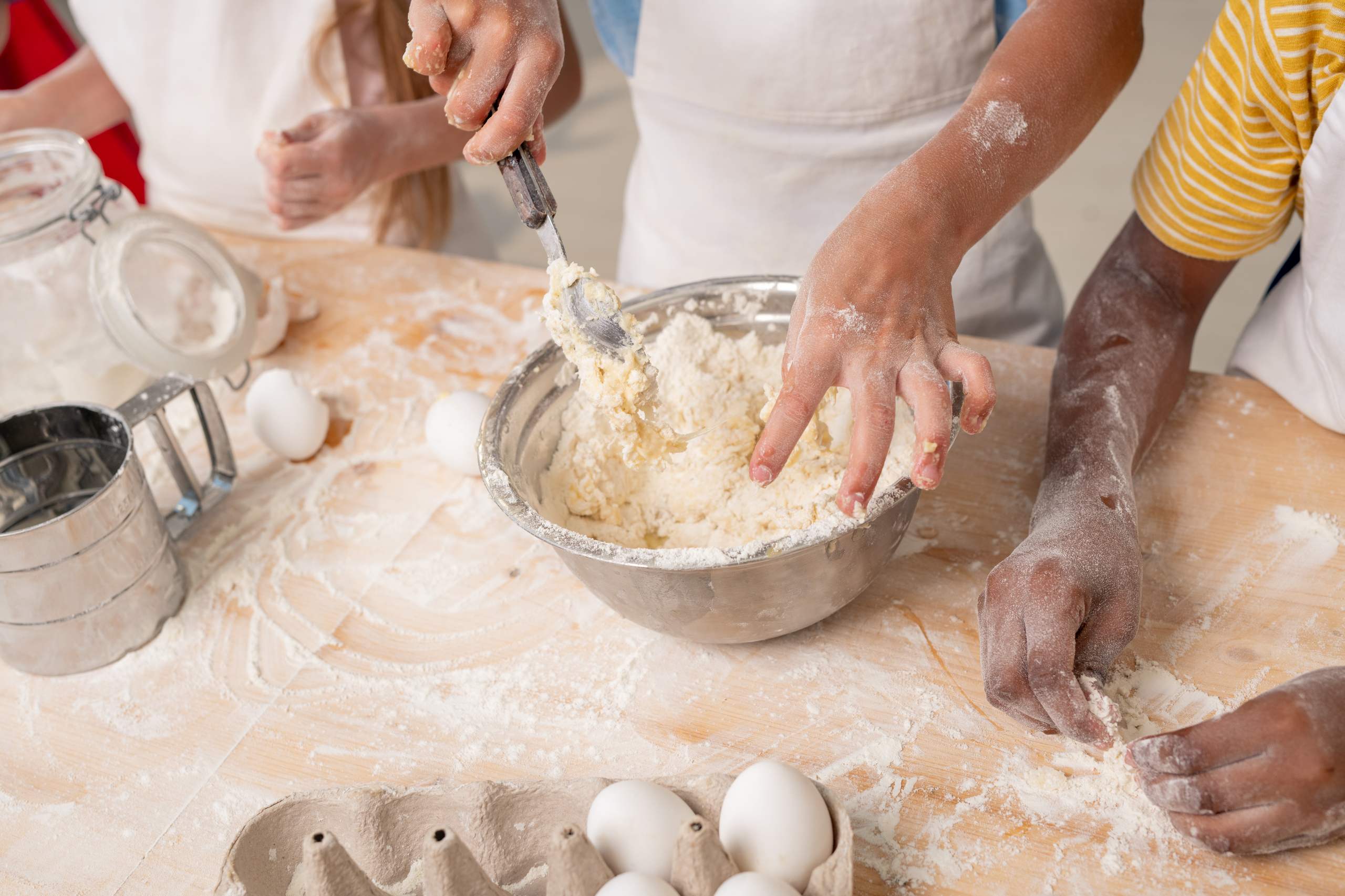
Making bread is often thought of as a simple task where one only has to add a few ingredients together and wait for the finished product. However, the truth is that bread is the most scientific way to cook. Each loaf of bread is the outcome of precise chemistry and timing that provides structure, taste, and texture.
Fermentation lies at the heart of the bread-making process. This is the act of allowing the yeast to convert the sugars into gas, which leads to the fluffy texture of the bread. But it is also important to note that fermentation is the process that develops the flavors of the dough. A more controlled fermentation time leads to a more complex taste. This is why many professional bakers spend all their time preparing the dough before baking it.
In addition to fermentation, another essential step in bread making is gluten development. This is the process of kneading or folding the dough to form the network that gives it structure and elasticity. Gluten is important for trapping the gas during the baking process. If it has not been allowed to develop properly, the bread will not have a fluffy texture.
In the final step, temperature is a critical factor in the outcome of a successful bread bake. The temperature of the room plays a vital role in the fermentation process and also has an impact on the heat transfer within the bread during the baking process. If the temperature is too high, the dough will rise too quickly and the texture will suffer. If the temperature is too low, the dough will not rise enough and will be dry. Temperature plays an important role in the overall outcome of a bread bake, as it can have a major impact on both the flavor and the texture of the final product.
In the baking stage, temperature is an important factor in the baking process. If the temperature is too low, the bread will not be able to bake properly and will be undercooked. If the temperature is too high, the bread will burn. Temperature also has an impact on the texture of the bread as it bakes, as the crust should be crispy on the outside and soft and fluffy on the inside.
All of this combined, bread baking has become an art that combines science and creativity. Today, bakers no longer just rely on their intuition, but they also understand the science behind it. By using scientific methods to bake bread, they can now create consistent results that are both tasty and visually appealing. The more a baker knows, the more control they have over the baking process, which means they can now create bread with more creativity and experimentation.
LoafBakePro provides the guidance and support needed to learn this science and craft combination step by step, leading to the confidence and success to bake bread in your own kitchen with the highest possible result.